Foreword to Volume 78
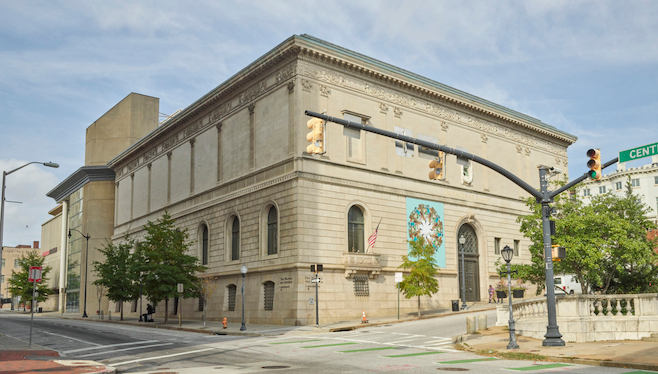
In 2024, the Walters Art Museum reached an important milestone: ninety years as a cultural institution housing, preserving, and sharing expressions of human creativity with the residents of Baltimore and the world. In this ninetieth anniversary volume, we take time to celebrate and reflect on what makes the Walters the Walters and highlight the innovations and practices that keep the Walters and its collections essential, accessible, and vital to our cultural landscape.
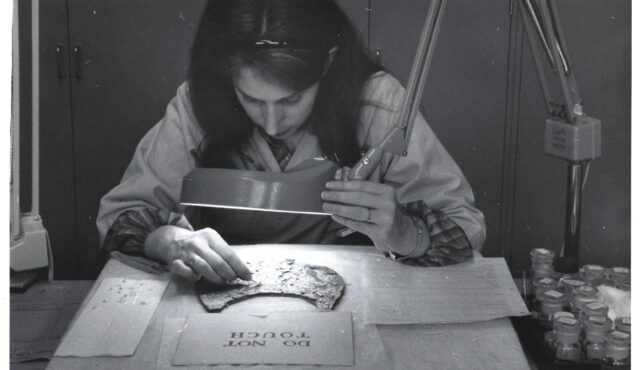
The year 2024 also marked the ninetieth anniversary of the formation of the Walters’ internationally recognized Conservation and Technical Research lab. Established with the opening of the museum, it was only the third such lab in the United States. In this volume Julie Lauffenburger, Conservator Emerita and former Dorothy Wagner Wallis Director of Conservation, Collections, and Technical Research, presents “History of the Walters Department of Conservation and Technical Research: The First Fifty Years.” This essay traces the conservation department’s remarkable evolution from these pioneering origins to its current status as a center of excellence. Lauffenburger’s research sheds light on the pivotal role that female conservators played in establishing the museum’s reputation, from the groundbreaking work of the first chief conservator through the innovative research conducted by successive generations of women who have led the department. This legacy of innovation in conservation is reflected in the several conservation notes featured throughout this volume, which showcase not only the current vitality of this essential work but also the continuity of vision that has defined our approach to preservation as an act of cultural stewardship.
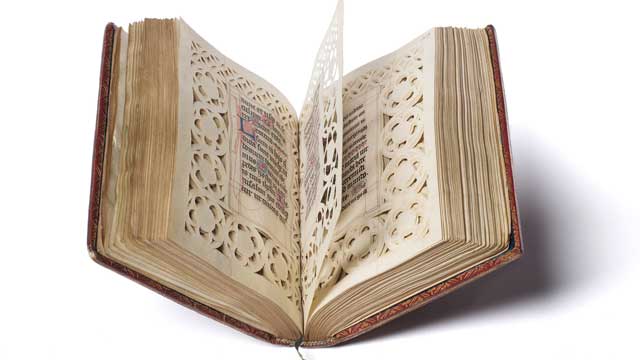
Lynley Anne Herbert, Robert and Nancy Hall Curator of Rare Books and Manuscripts, brings well-deserved attention to an early pioneer in the curation of the Walters’ world-class collection of manuscripts with “Illuminating a Curatorial Career: An Interview with Lilian M. C. Randall.” This compelling oral history provides intimate insights into the evolution of our Rare Books and Manuscripts collection and the specialized expertise required to steward these fragile cultural artifacts. Randall’s reflections offer a deeply personal perspective on the challenges and rewards of curatorial work, while illuminating another dimension of the Walters’ commitment to preserving knowledge across all media and formats.
“Contemporary Art Collecting in the Twenty-First Century at the Walters Art Museum,” by Adriana Proser, Mr. & Mrs. Thomas Quincy Scott Curator of Asian Art and Chief Curator at the Walters, and Chandi Kelley, the Walters’ Head of Exhibition Planning, examines the deliberate evolution toward acquiring contemporary works that create meaningful dialogue with the museum’s predominantly historical collection. Proser and Kelley explain how recent curatorial decisions have sought to bridge centuries while bringing a wider array of artists and perspectives into our galleries, creating conversations between established masterpieces and contemporary voices that reflect the diversity of our community.
In “The Business and Politics of William T. Walters’s Collection of American Art,” Kristen Nassif, Curator of Collections at the Fralin Museum of Art at the University of Virginia and former Andrew W. Mellon Postdoctoral Curatorial Fellow at the Walters Art Museum, examines the business and politics that shaped the Walters’ early acquisitions. Her essay focuses on William T. Walters and his economic, political, and social networks, as well as his Confederate sympathies, all of which influenced and guided his collecting of and relationship to American art of the era.
Reflecting the eclectic nature of the Walters’ collection, the notes in this volume offer a multifaceted set of stories. Marking this milestone anniversary, several contributions from current and former staff, interns, and fellows in the Conservation and Technical Research lab represent the latest products of ninety years of innovation. Other notes present a thought-provoking close look at some of the many intriguing objects in the Walters’ collection.
The Walters Art Museum engages and strengthens our community through collecting, preserving, and interpreting art. Looking to the future, our mission—to bring art and people together for enjoyment, discovery, and learning—remains constant, while the methods by which we accomplish this goal continue to evolve. We look forward to the collective work in the decade ahead, which will pave the way for the Walters to enter its second centennial as a place where people of all backgrounds can be touched by art.
Kate Burgin, Andrea B. and John H. Laporte Director and CEO, The Walters Art Museum
Editorial Board
Julie Lauffenburger, Conservator Emerita and former Dorothy Wagner Wallis Director of Conservation, Collections, and Technical Research and Volume Editor
Josh Houston, Manager of Publication
Ariel Tabritha, Director of Digital Production and Publication
Gina Borromeo, former Senior Director of Collections and Curatorial Affairs and Senior Curator of Ancient Art
Adriana Proser, Mr. and Mrs. Thomas Quincy Scott Curator of Asian Art and Chief Curator
Laurel Miller, Chief Learning, Experience, and Community Engagement Officer
Theresa Sotto, former Ruth R. Marder Director of Learning and Community Engagement
Melanie Lukas, Copyeditor
Copyright 2025 Trustees of the Walters Art Gallery, 600 North Charles Street, Baltimore, Maryland, 21201
The redesign and digitization of the Journal was made possible by a grant from the Samuel H. Kress Foundation.